
When a Patient Asks an AI Which Surgeon to See, Is Your Practice in the Answer?
Appearing in AI-generated answers is the new standard of getting discovered by prospective patients.
For most of the history of plastic surgery, a patient's search for a surgeon was a sequential act. They typed a phrase into a search engine, received a list of results ranked by relevance, and began evaluating. The surgeon's task, in that environment, was to appear high enough in the list that evaluation was possible. Getting there meant optimising for how search engines read websites — the right keywords in the right places, enough credible sites linking back, a profile structured in ways the algorithm could interpret as legitimate. That whole body of practice is what the field calls search engine optimisation, or SEO for plastic surgeons.
That model remains valid, but no longer fully captures how patients find surgeons.
A growing number of patients are bypassing search engine ranks entirely. Instead, they open conversational AI tools and ask directly: which surgeon should I see for a rhinoplasty in my city? But more immediately, and without any change in patient behaviour at all, Google has begun inserting synthesised AI-generated answers at the top of standard search results for a wide range of queries. A patient who searches "best facelift surgeon in [city]" using the same Google they have always used may now receive, before any ranked results appear, a paragraph-length synthesis naming specific practices, characterising their reputations, and implicitly ranking them. This is happening inside the interface patients already use, with no new tools required.
Who Decides What Gets Seen
The practical consequence is a shift in who performs the gatekeeping function. In the traditional model, the search engine ranked options and the patient evaluated them. In the emerging model, the system performs the evaluation and delivers a conclusion. A practice appearing in that conclusion exists in the patient's consideration set. A practice absent from it has been excluded before the patient has formed any impression at all.
What these systems base their assessments on is incompletely disclosed, and the independent research on what drives inclusion in AI-generated local service recommendations is still developing. But several things are observable about how they work, and each has a direct implication for how surgical practices should think about their digital presence.
What AI Systems Actually Use
The first concerns the relationship between conventional SEO and AI visibility — a relationship the field has begun discussing under the label of answer engine optimisation. The instinct to treat AI search as a clean break from conventional search engine optimisation is understandable but somewhat overstated. Many AI systems, including those powering Google's AI Overviews, use a process called retrieval-augmented generation: rather than relying solely on what the model learned during training, they retrieve current web content in real time and use it to construct their answers. This means they are drawing heavily from the same pages that rank well in traditional search. A page that performs well for cosmetic surgery SEO is more likely to be retrieved, cited, and incorporated into a synthesised answer. Conventional SEO and AI visibility are connected systems, pulling from the same underlying content. The difference is that AI systems reward content that directly answers specific patient questions. A page explaining precisely what variables a surgeon considers when planning a rhinoplasty is more useful to a synthesis system than a page that simply mentions "rhinoplasty surgeon" repeatedly.
The second concerns how these systems identify and aggregate information about individual surgeons. AI systems use named entity recognition — they identify people, places, and organisations as distinct entities and consolidate information about them across sources. This process depends entirely on consistency of naming. A surgeon whose name appears as "Dr. Sarah Chen" on their website, "Sarah Chen MD" on their Google Business Profile, "S. Chen" on a directory listing, and "Dr. Chen" in a local press mention may be treated by the system as several different entities rather than one. The consolidation that would otherwise build a coherent, richly characterised profile fails, and the system has less to work with than the practice's actual presence would suggest. Name consistency across every platform where the practice appears is a precondition for accurate AI profiling, and it is almost never mentioned in the advice surgeons receive about digital marketing for plastic surgeons.
Reputation Beyond Your Own Website
The third concerns the weight these systems give to third-party sources. A practice controls what it publishes on its own website and social channels. What other sources say about it lies outside that control — which is precisely why those sources carry more weight. AI systems are trained on the web and have implicit models of source credibility. A surgeon mentioned by name in a RealSelf editorial, a regional magazine's annual list of top physicians, a health platform's procedure guide, or a local newspaper feature is being characterised by a source the system treats as having independent authority. That mention contributes to the system's profile of the surgeon in a way that self-published content structurally cannot replicate. The same logic that makes word-of-mouth referrals more persuasive than advertising — the source has no obvious incentive to mislead — applies to how AI systems weight information. Earned mentions from credible third-party sources carry disproportionate weight in AI-generated synthesis, and pursuing them is qualitatively different from, and complementary to, optimising owned content.
Patient reviews operate through a related mechanism. Beyond their function as social proof for human readers, reviews provide AI systems with a specific kind of signal: descriptions of the practice written by people with no stake in presenting it favourably. A practice with substantial review volume across multiple platforms — Google, RealSelf, Healthgrades — gives synthesis systems a richer, more characterisable profile. Reviews that describe specific procedures, name particular concerns the patient brought to the consultation, and characterise what recovery was actually like are considerably more useful to a synthesis system than reviews expressing general satisfaction. The specificity is what makes the content distinctive and retrievable. Furthermore, because AI tools increasingly display citations alongside their synthesised answers, appearing as a cited source — in a review platform, a directory, or a credible editorial — is its own form of visibility, separate from being recommended outright.
What This Means for Your Visibility
The local dimension of all of this deserves specific attention, because most surgical practices compete within a defined geography. AI systems handle local queries differently from general ones. For searches with clear geographic intent — "rhinoplasty surgeon in [city]" — these systems lean heavily on Google Business Profile data, proximity signals, and locally-indexed review platforms. A Google Business Profile that is completely and accurately filled out, with a specific practice description, current hours, correct contact information, and a consistent accumulation of detailed reviews, is one of the highest-leverage assets a local practice has for AI search visibility. It is also one of the most commonly neglected.
What this amounts to is a recalibration of the underlying logic of digital marketing for plastic surgeons — an adjustment of emphasis rather than a replacement of existing practice. Practices that have invested in specific, substantive content, consistent identifying information, and a genuine presence on credible third-party platforms are well-positioned for AI search visibility, because those investments align with what synthesis systems reward. Practices whose digital presence consists primarily of an outdated website, occasional Instagram posts, and a modest review count are less legible to these systems, regardless of how polished that presence looks to a human visitor.
The argument for investing in this kind of presence has always existed, but AI search is here to change is the gravity of consequences of ignoring it. In the traditional model, a practice with a thin digital presence still appeared somewhere in the ranked list and could be found by a patient willing to look. In the emerging model, the practices that failed to make it in are simply absent from the answer.
Checklist - Practical Applications
Audit name consistency across every platform. Your name should appear identically — same title, same credentials format, same spelling — on your website, Google Business Profile, RealSelf, Healthgrades, social media accounts, and any directory or editorial mention you can influence. Inconsistency fragments your entity profile and reduces what AI systems can consolidate about you.
Complete your Google Business Profile fully. For local queries, this is the single highest-leverage asset for AI search visibility. A specific practice description, accurate contact details, current hours, and a consistent accumulation of detailed patient reviews all contribute directly to how synthesis systems characterise your practice for patients in your area.
Replace generic procedure content with content that answers specific patient questions. A page explaining what you assess during a rhinoplasty consultation, what anatomical variables shape your approach, and what recovery looks like week by week is retrievable by a synthesis system in a way that a generic procedure overview is not. Write for the question the patient is actually asking, rather than the keyword you want to rank for.
Add descriptive captions to before-and-after content. AI systems read text, not images. A gallery without captions is nearly invisible to synthesis systems. Brief notes indicating the procedure, the patient's presenting concern, the technique used, and the timing of the post-operative photograph give the system material to characterise your clinical work specifically.
Encourage reviews that describe specifics. When prompting patients for feedback, prompt toward detail — the procedure they had, a concern they brought to the consultation, what recovery was actually like. Specific reviews are more useful to synthesis systems and more persuasive to human readers than general expressions of satisfaction.
Pursue third-party mentions actively. Identify the credible platforms and publications in your market — regional health features, physician directory editorials, established aesthetic medicine publications — and seek legitimate inclusion. A mention in a source the system treats as authoritative carries disproportionate weight relative to the effort required to obtain it.
Ensure your content is citation-ready. AI tools that display sources alongside their answers will cite pages that directly and specifically answer the question being asked. Structure key pages so that a system extracting a single paragraph would find a complete, accurate, attributable answer to a common patient question.
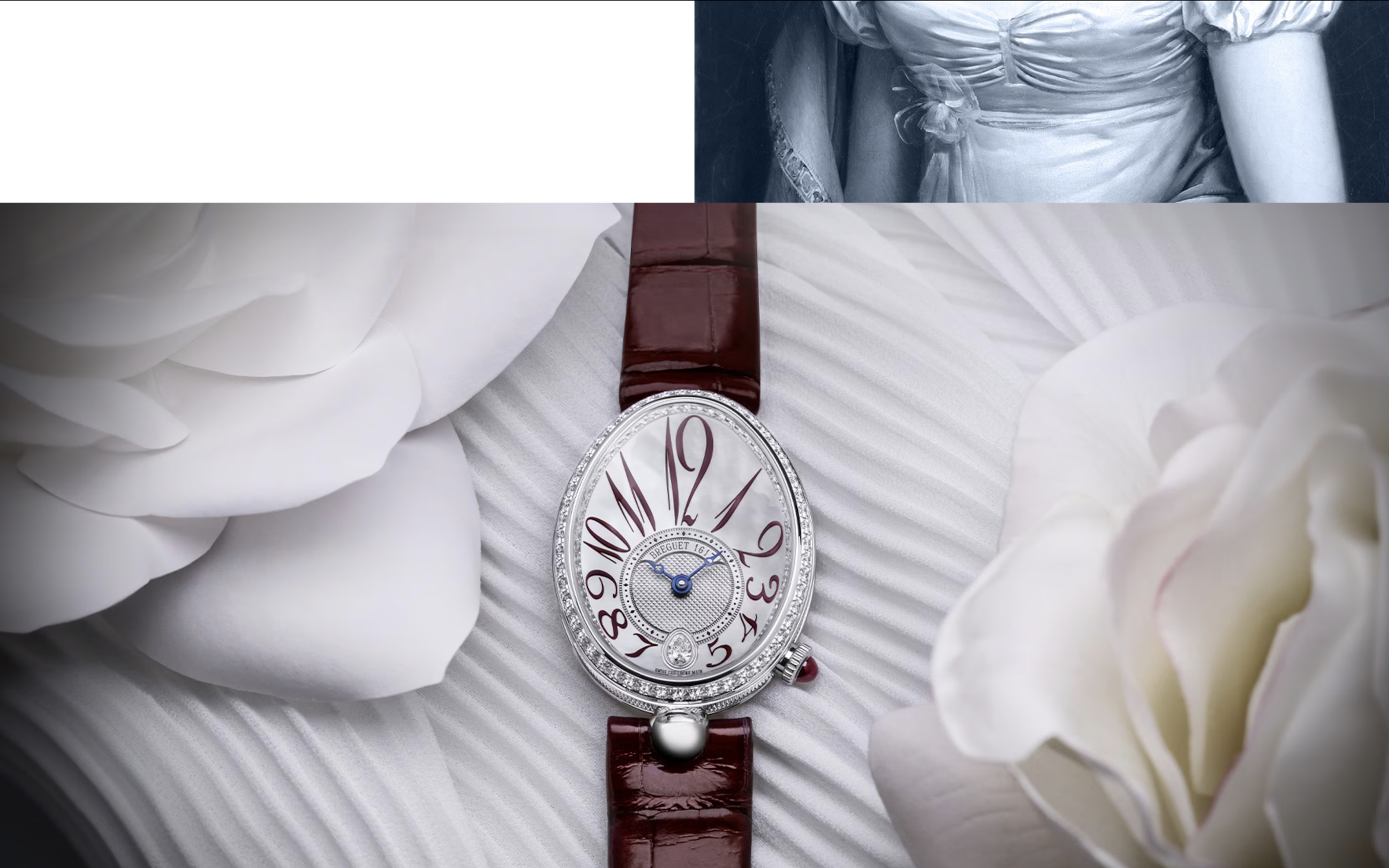
What Makes Digital Design Look High-End?
This post reveals the design language that gives luxury fashion, Swiss watches, and prestige cars their unmistakably refined presentation.
Are you looking to frame your plastic surgery practice as the high-end service it is? This post reveals the design language that gives luxury fashion, Swiss watches, and prestige cars their unmistakably refined presentation.
The Discipline of Simplicity
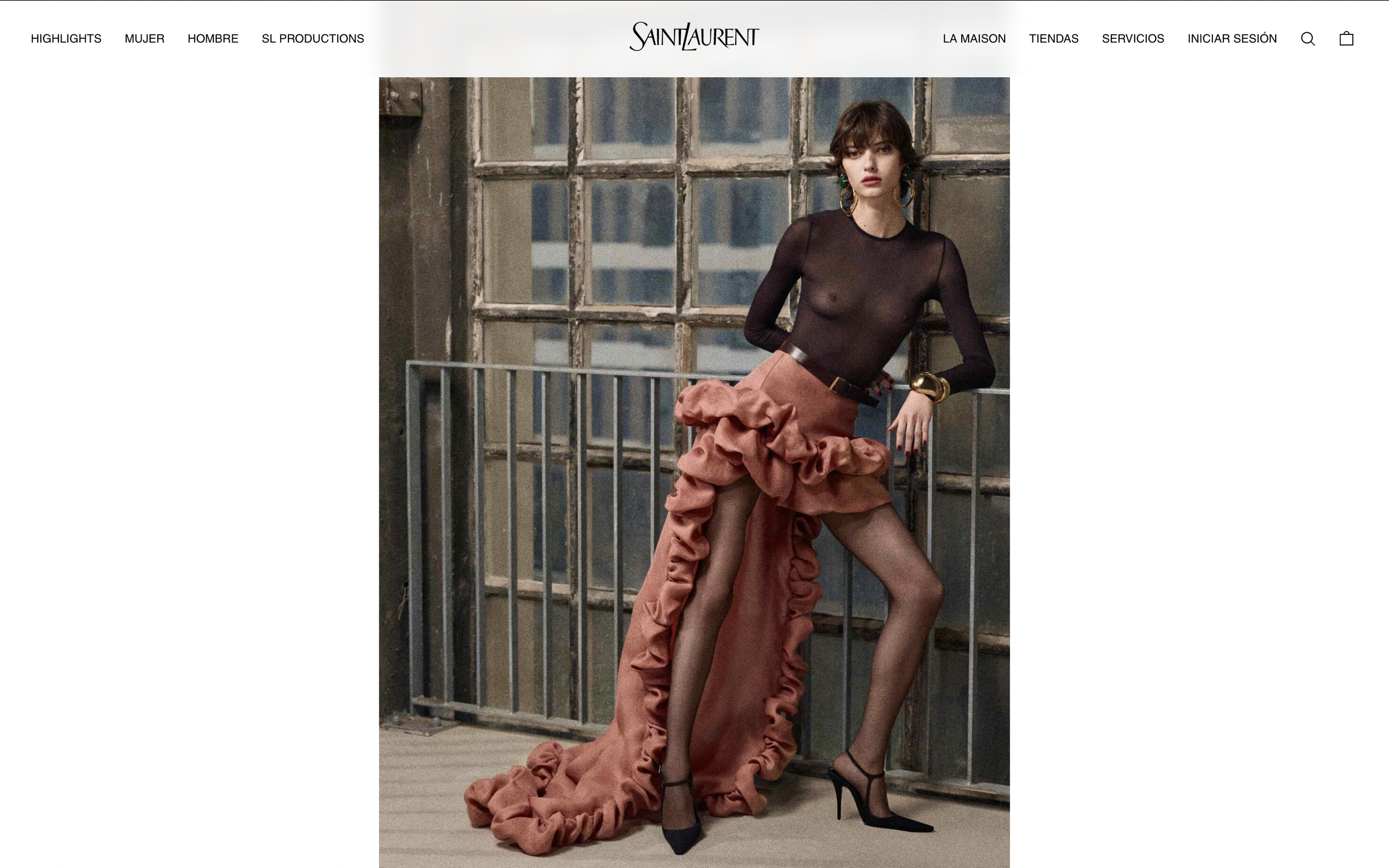
Luxury design avoids clutter. Every element serves a purpose, leaving space for clarity and focus. Simplicity signals confidence.
High-Quality Imagery
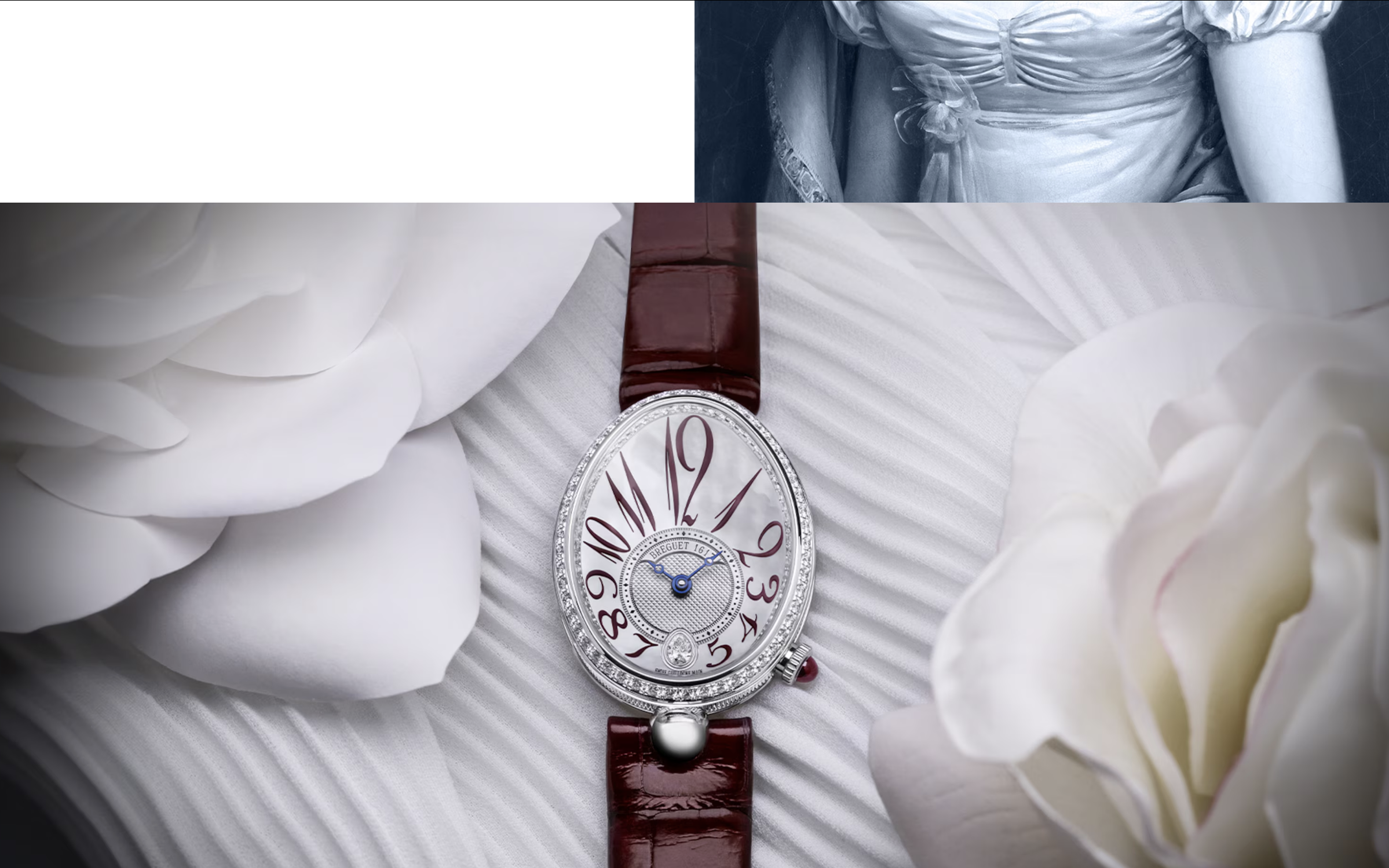
Photography and video define perception. Editorial-style visuals - sharp, consistent, and intentional - make a practice look instantly elevated.
Cross-Platform Consistency
A brand feels high-end when every digital touchpoint - website, social media, advertising - carries the same refined identity.
Curated Typography
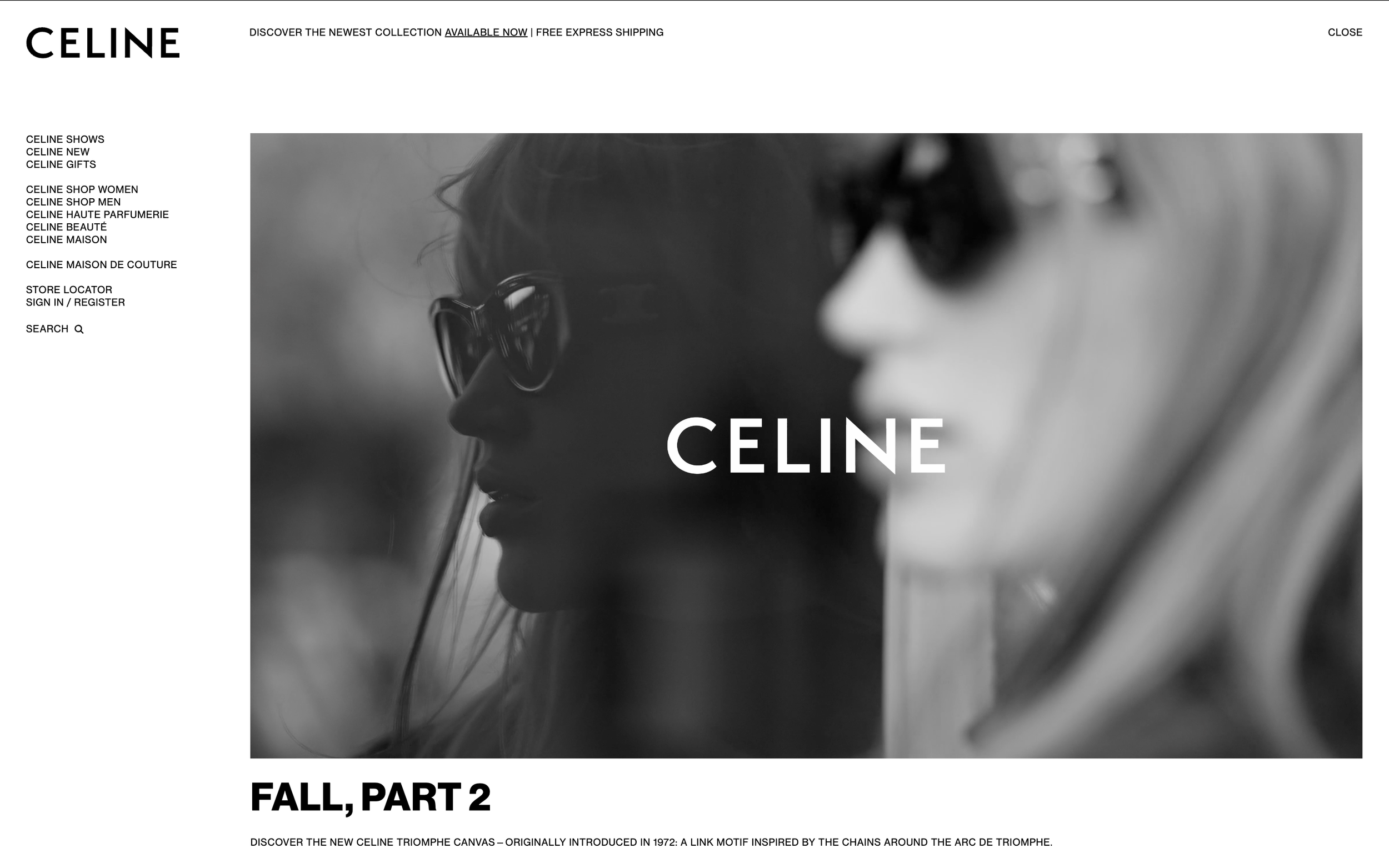
Typography is the voice of design. Restrained, timeless font choices build recognition and authority without distraction.
Controlled Color

Luxury relies on restraint. A limited palette, often grounded in neutrals with one accent, keeps the brand cohesive and memorable.
Refined Motion
Subtle transitions and smooth micro-interactions create an experience that feels polished rather than loud. Motion supports, never distracts.
Editorial Feel
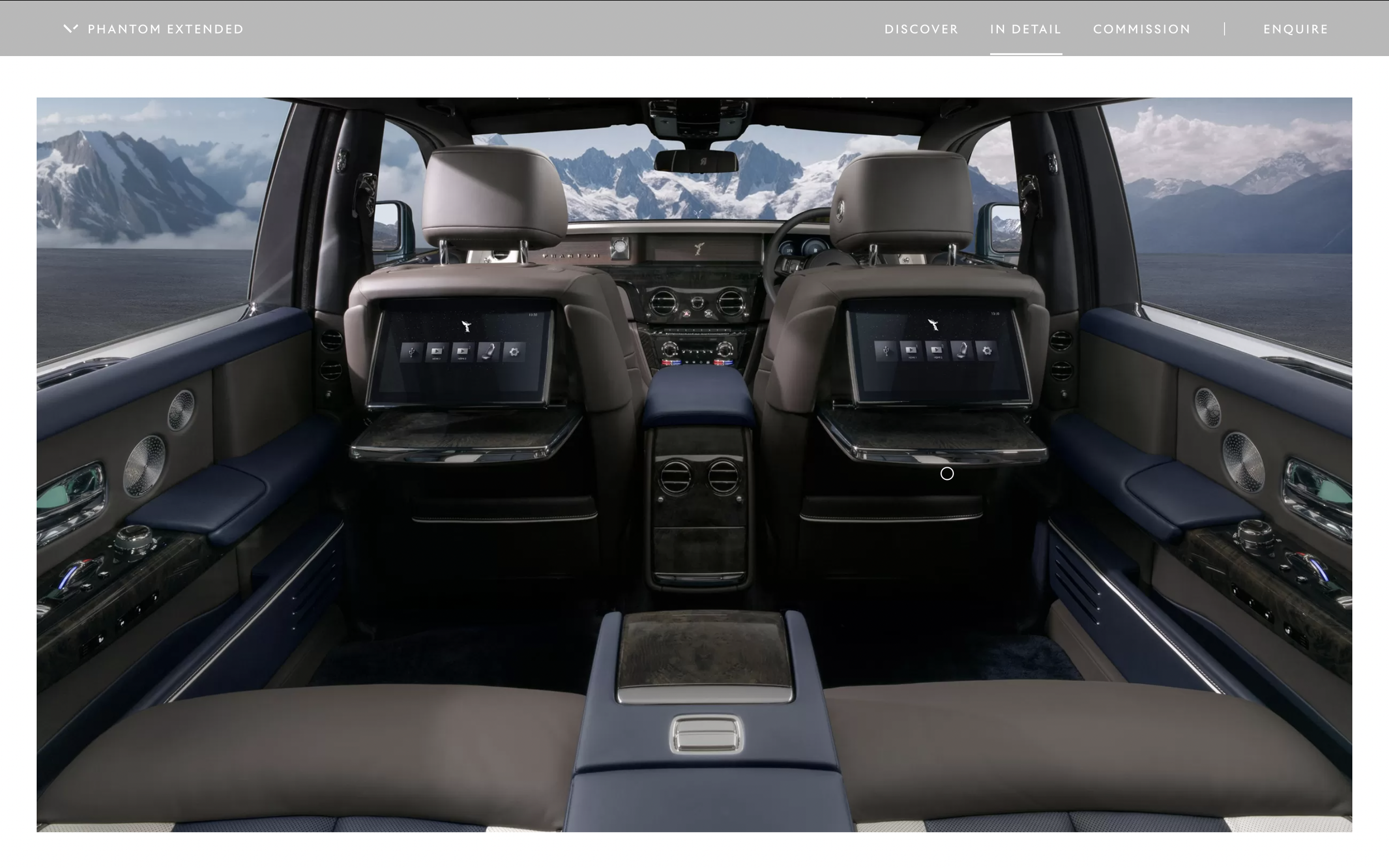
Layout and rhythm borrow from magazines and cultural publications. This gives digital design a sense of sophistication and credibility.
Subtle Branding
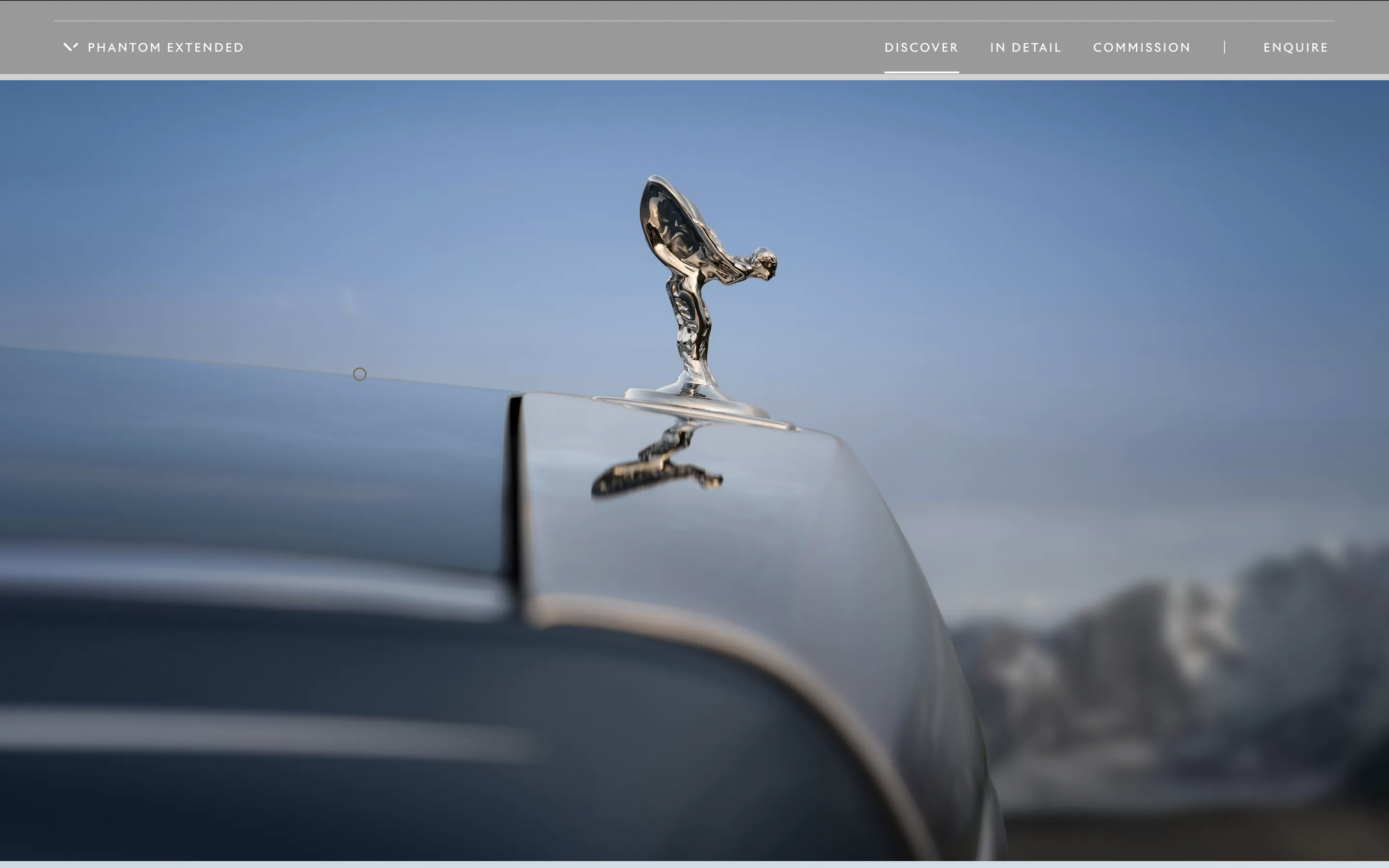
Logos, emblems, and marks appear with intention, never overwhelming the design. Restraint communicates confidence.
Timelessness

High-end design avoids trends that fade quickly. Instead, it draws on principles of balance, proportion, and restraint—qualities that remain relevant for years.
Conclusion
At Vitruviani, we apply the same design discipline that defines the world’s most prestigious brands. If you want your practice to command trust, attract discerning patients, and communicate authority from the first impression, we build brand identities that make it possible.

What Makes Studio Borbon’s Branding World-Class in Aesthetic Medicine?
Many practices focus on treatments, but Studio Borbón shows how brand perception can be just as influential.
Studio Borbón shows how an aesthetic clinic can position itself as a cultural authority. This article studies the six elements that make its branding stands apart.
While the brand is not developed by Vitruviani, it serves as a case study in how authenticity can elevate a medical practice into an industry reference.
Founder-Led Identity

A strong brand begins with the founder. When personality, philosophy, and vision shape the identity, the practice stands apart as something authentic and unrepeatable.
Spatial Storytelling

Physical space becomes part of the narrative. Architecture and interiors are not decoration but proof of the philosophy patients experience the moment they enter.
Curated Digital Identity
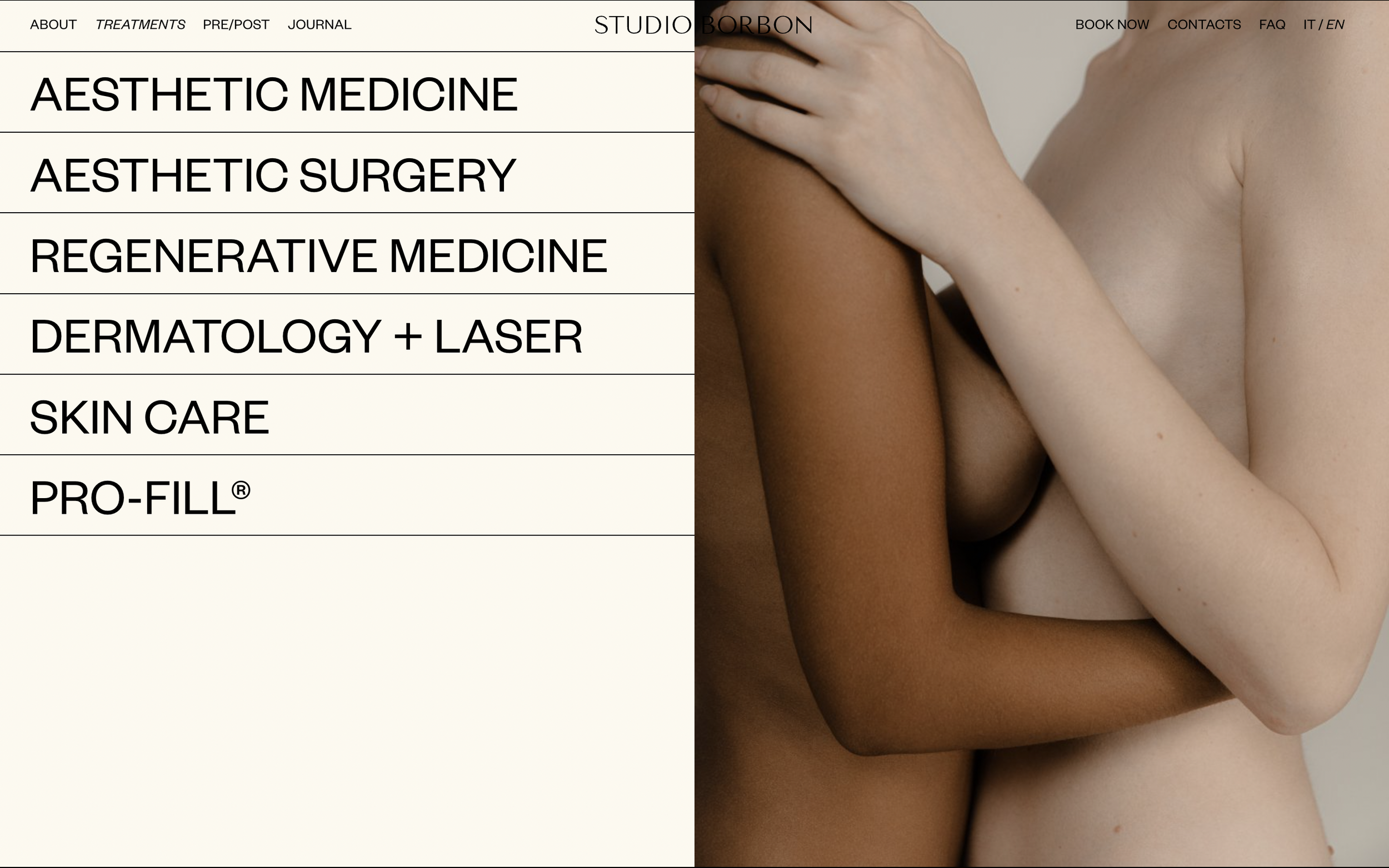
A cohesive online presence ensures the brand looks and feels the same everywhere. Website, social media, and advertising align into one clear, intentional identity.
Editorial Social Content
Imagery, video and copy adopt the language of fashion and culture. The clinic’s social feeds read like a magazine, signaling refinement and aspiration.
Design-Anchored Patient Experience
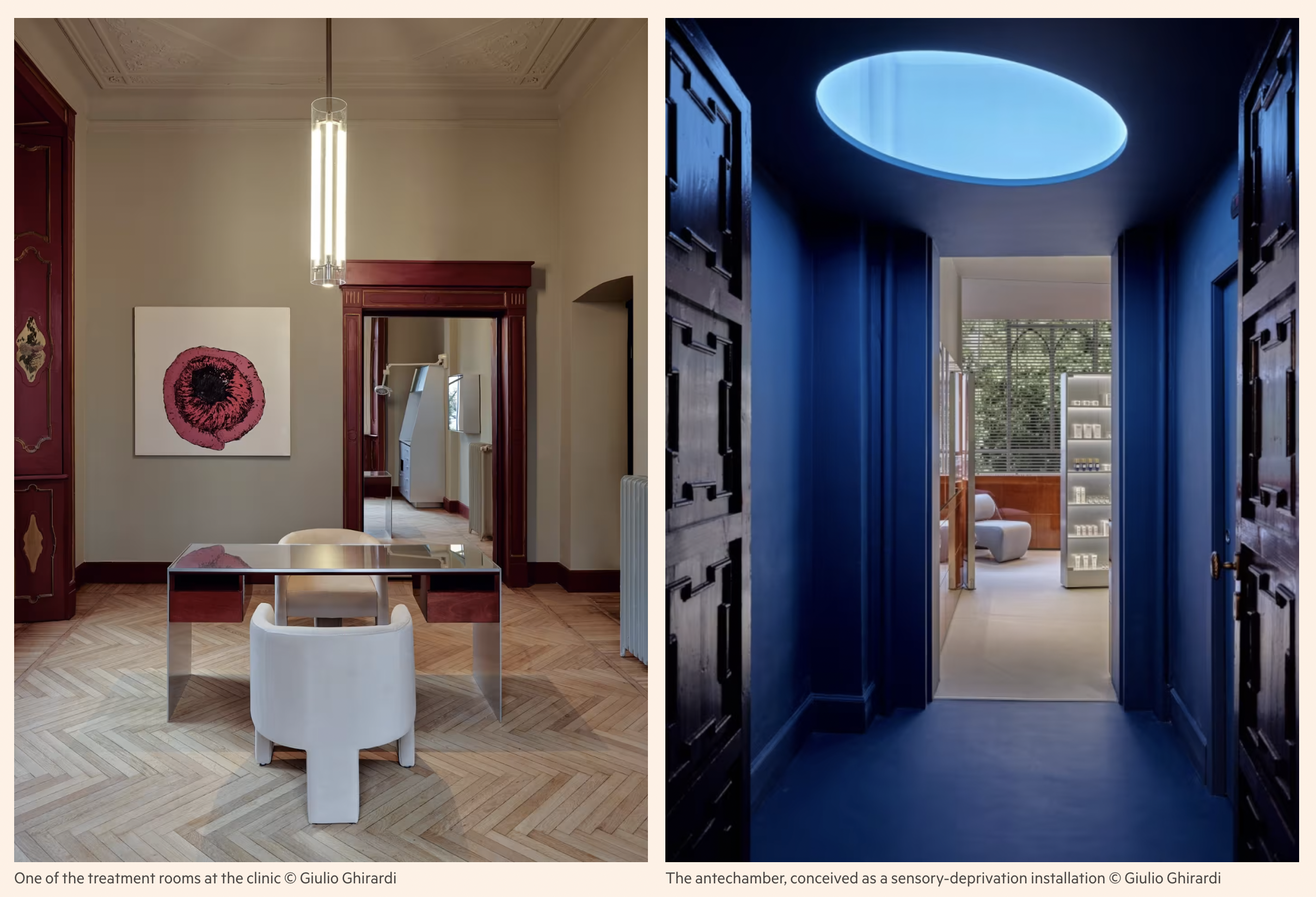
Curated cultural touchpoints (artwork, installation-like design) reinforce the message that the clinic is a part of Milan’s creative elite.
Prestigious Media Recognition
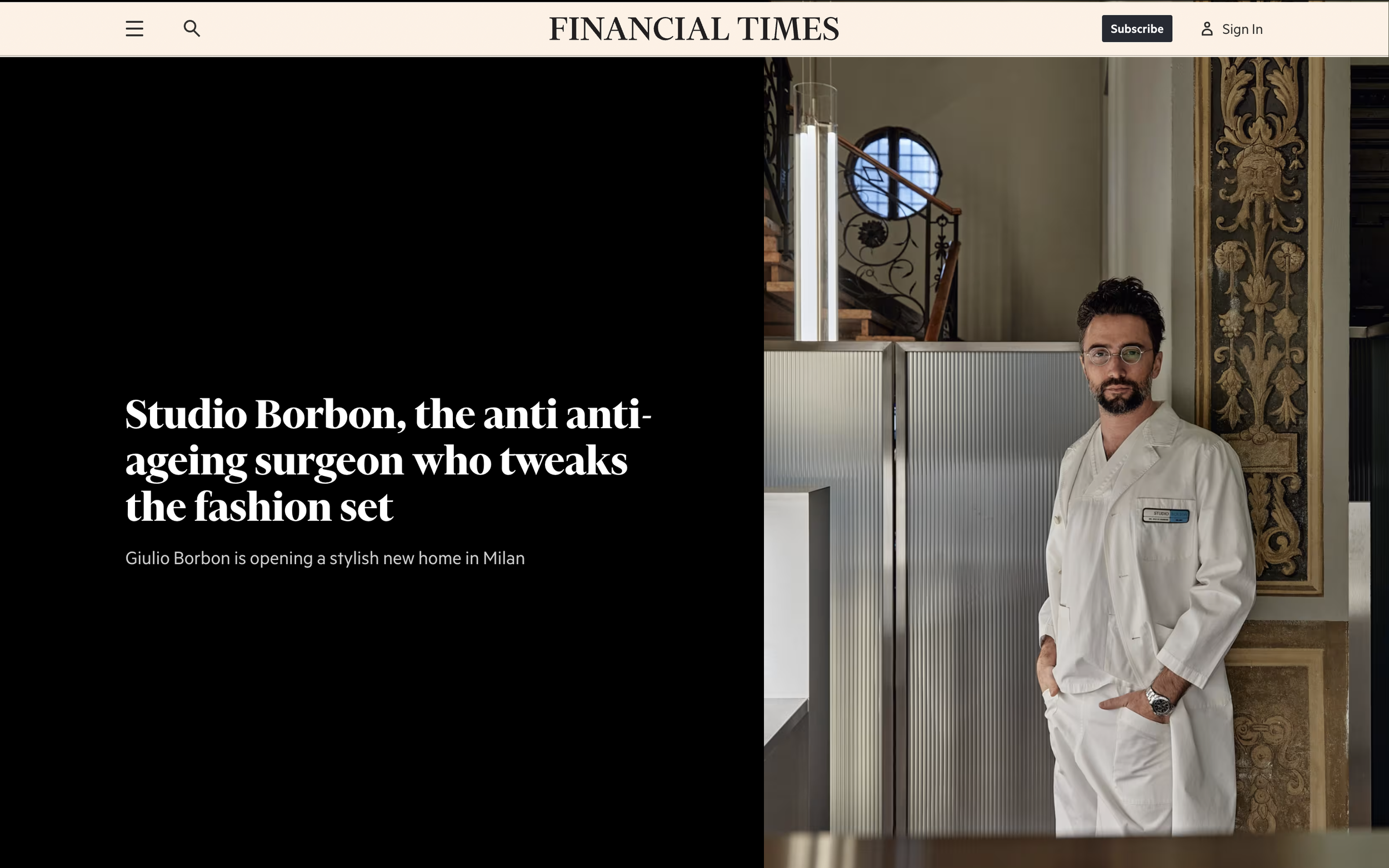
Coverage in the Financial Times proves authority, signaling to patients that the brand is recognized by influential tastemakers.
Conclusion
Studio Borbón shows that branding in aesthetic medicine extends far beyond logos or visuals. When identity, space, digital presence, and patient experience are all shaped by design, the result is a practice that commands cultural recognition. It is this total alignment that makes the brand feel world-class.
Vitruviani develops branding and content strategies for surgeons who want their practices to stand as references in aesthetic medicine.
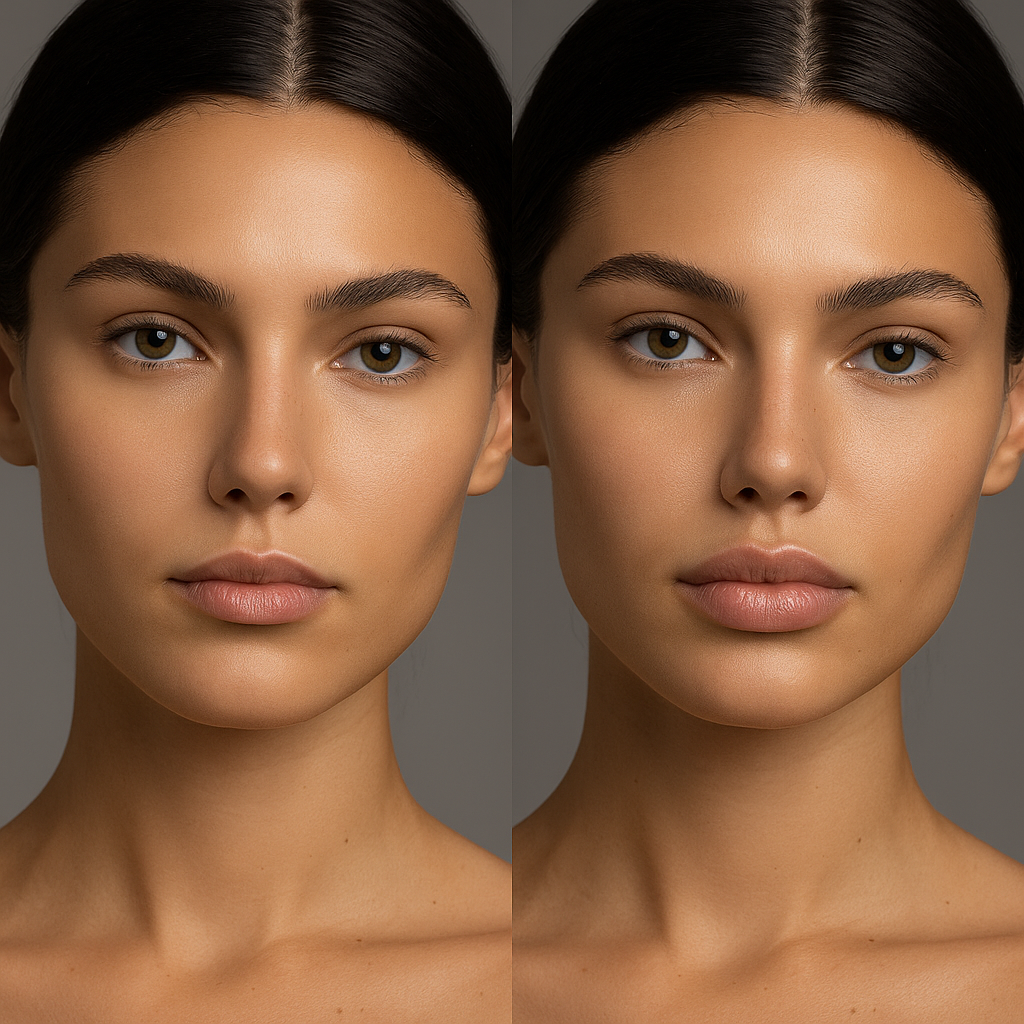
Before-and-After Photography Mistakes That Damage Your Plastic Surgery Practice's Credibility
The way patients perceive your professionalism and expertise is heavily influenced by the quality of your before-and-after photos, which play a decisive role in choosing a cosmetic surgery provider.
The main way potential patients judge the quality of your plastic surgery practice is by evaluating the before-and-after photos of your work. Therefore, well-executed, consistent before-and-after images are the best way to promote your expertise. This blog post will explore common photography mistakes that can diminish the impact of your images and provide essential tips for capturing stunning visuals that showcase your surgical excellence.
I Poor Image Quality
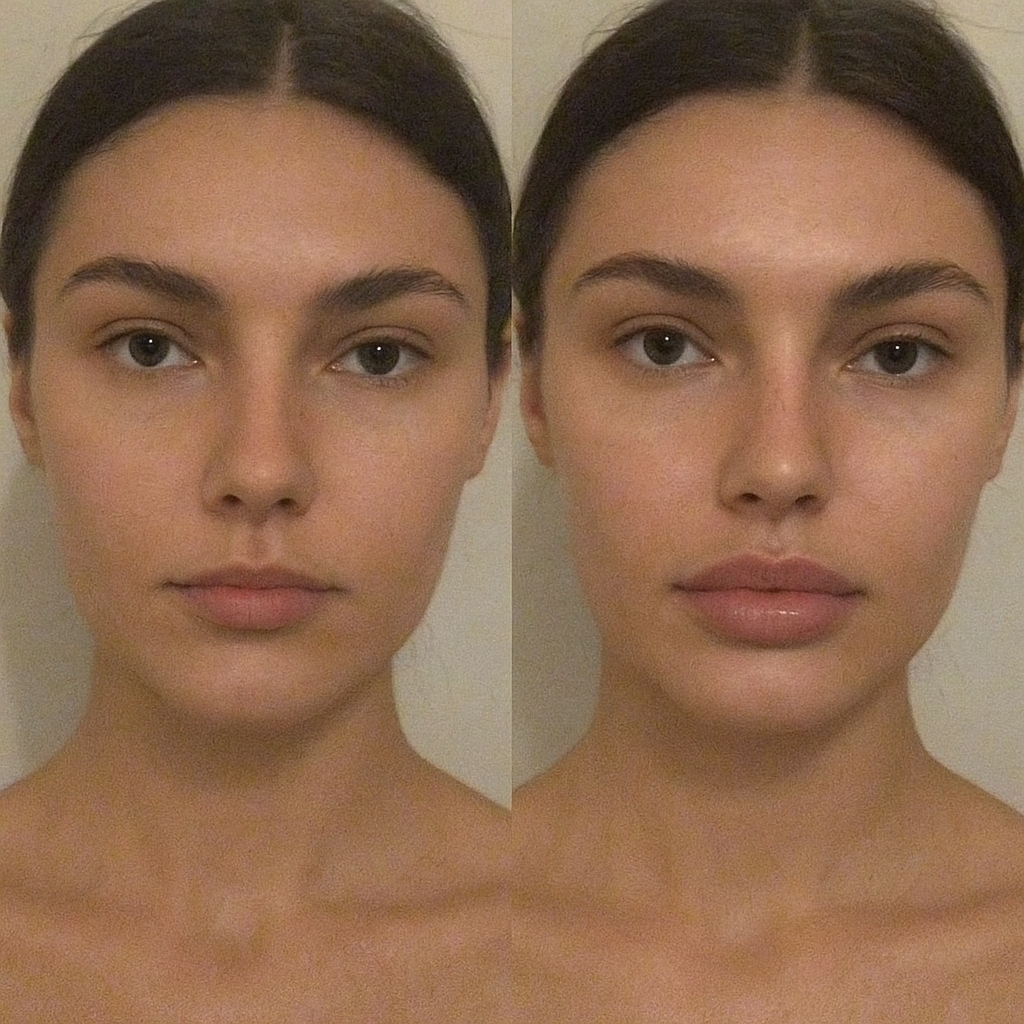
Poor image quality makes your results look less precise and weakens the perception of your work. Regularly clean your lenses and test shots beforehand to ensure the details of your work are impeccably documented.
II Improper Lighting
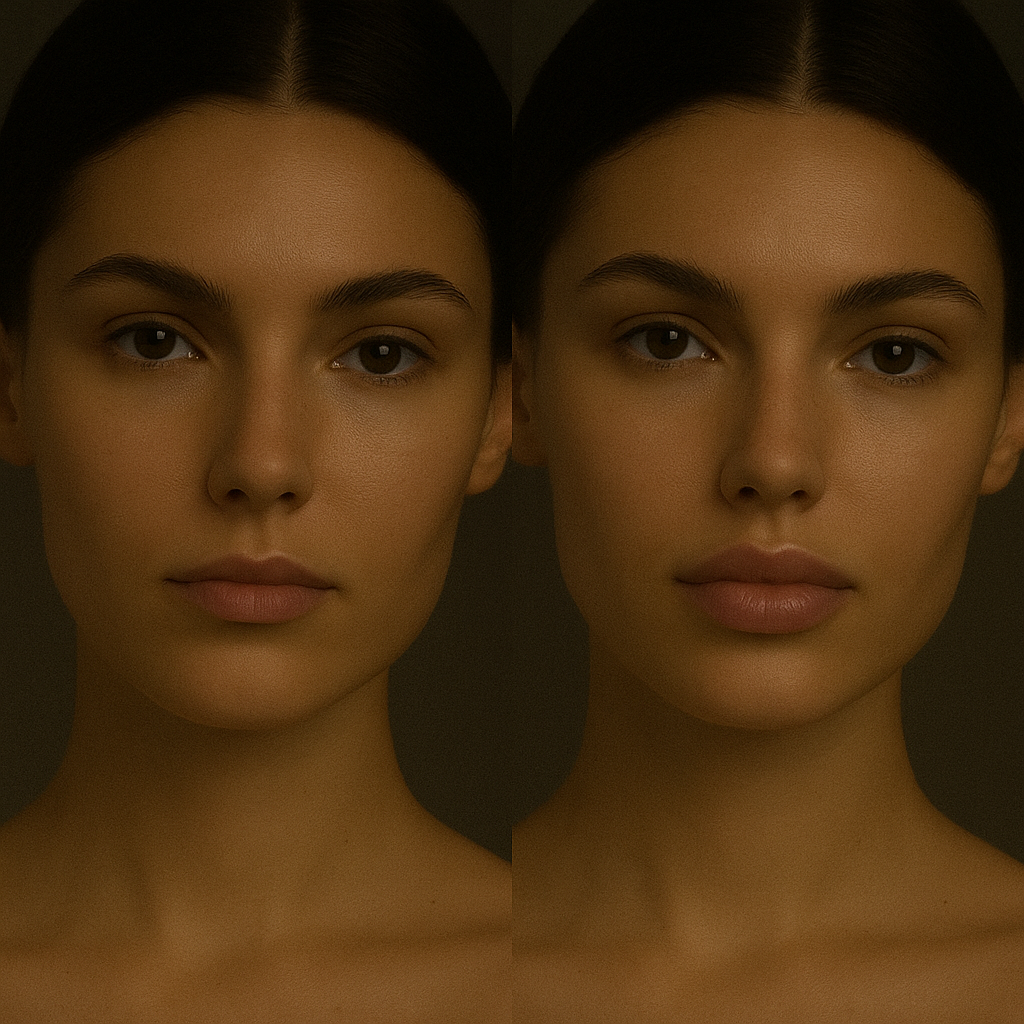
Lighting is the foundation of a great photograph. Inadequate lighting can make your photos look unprofessional. Additionally, unflattering shadows diminish the actual outcomes of the procedure. Investing in a lighting setup, such as a ring or a studion light, ensures the result of the result are captured the best way possible.
We recommend avoiding relying on daylight, as its variability can compromise the uniformity of your photos.
III Varying Camera Angles
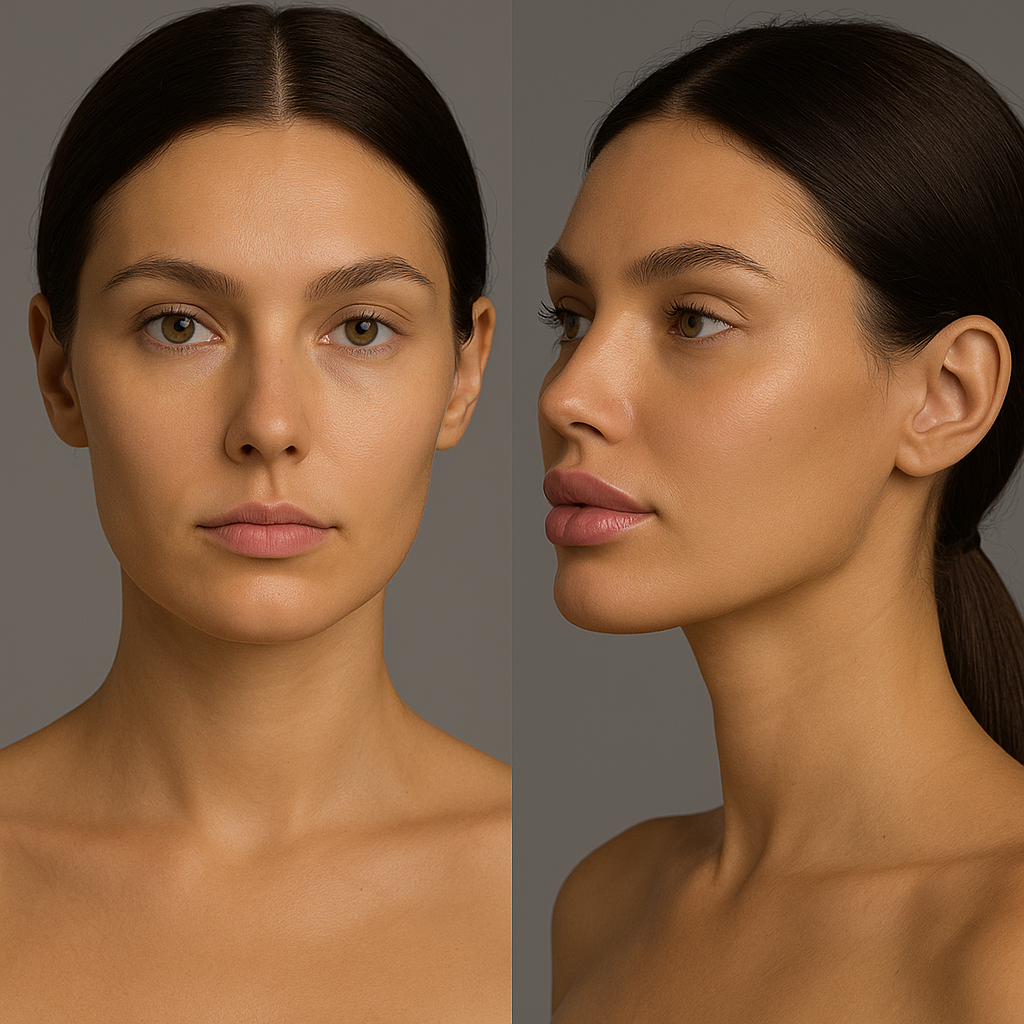
Inconsistent angles and distances between the “before” and “after” images make comparisons difficult and diminish the credibility of your photos. Always maintain a consistent camera height, angle, and distance using fixed markers to standardize your setup.
IV Lack of Standardization in Patient Posing
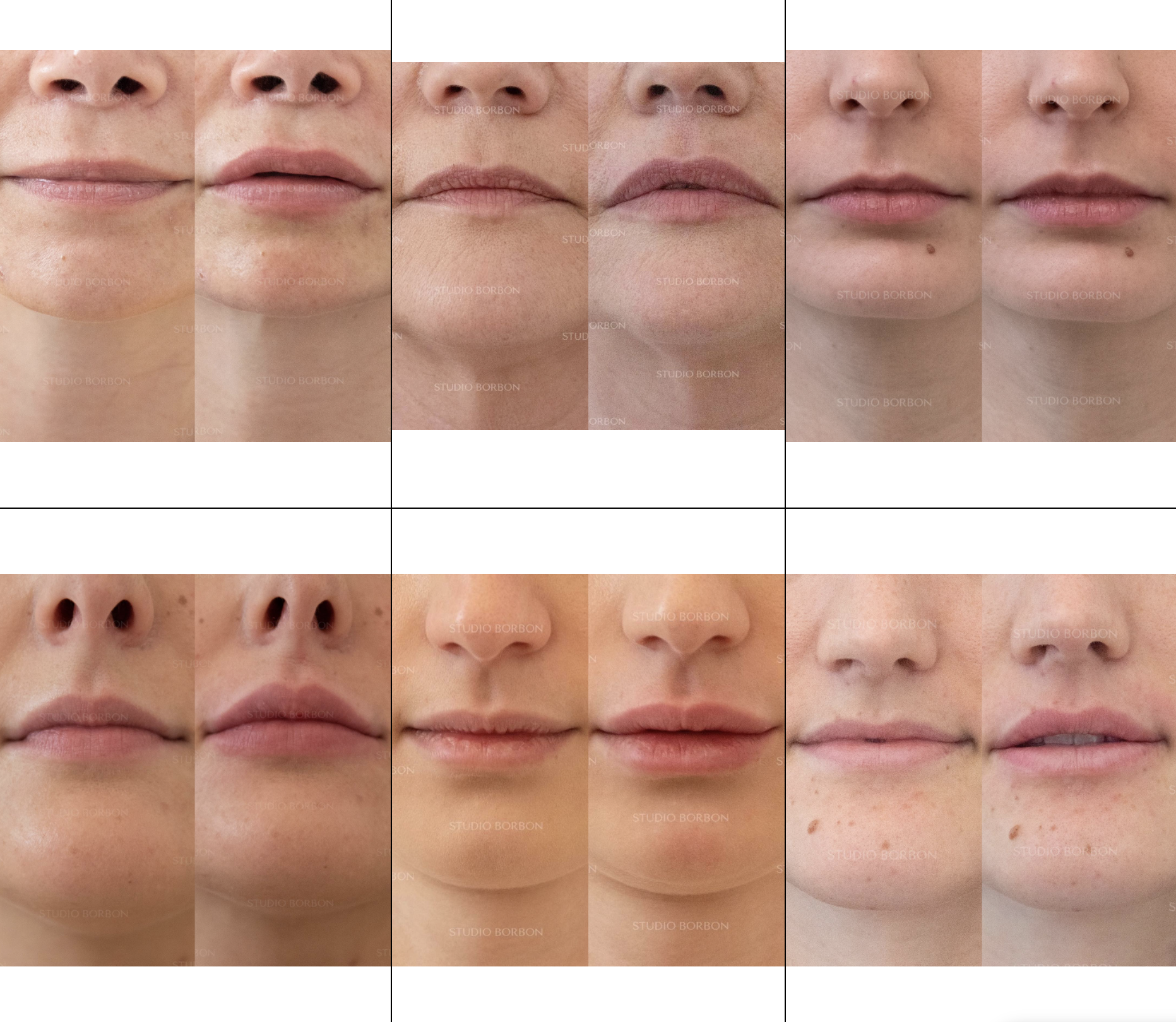
Unified patient postures make result comparison effortless to the patient. Image: Studio Borbon
Consistent before-and-after imagery is essential for appearing professional. Establish clear guidelines for patient poses, including head alignment, make up, arm placement, and posture.
V Inappropriate Background
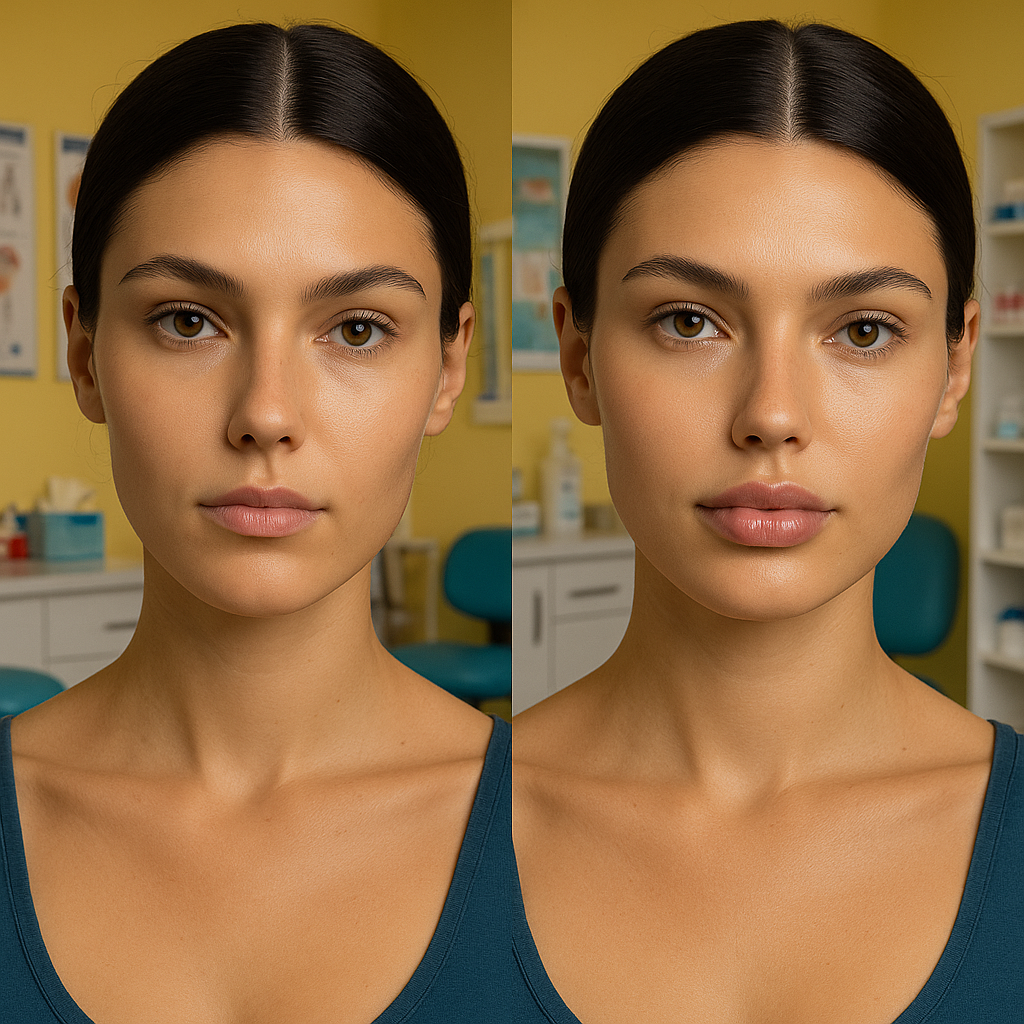
Cluttered or busy backgrounds distract viewers and detract from the focus of the results. A plain, neutral-colored backdrop is ideal for ensuring that your results remain the focal point. Vitruviani recommend avoiding blue medical background as the color might interfere with the skin tone.
VI Improper Framing and Cropping
Ensure patients are centered in the frame, with consistent spacing on all sides. Avoid cutting off important features or introducing unnecessary negative space that diminishes the subject’s impact.
VII Excessive and Insufficient Editing Techniques
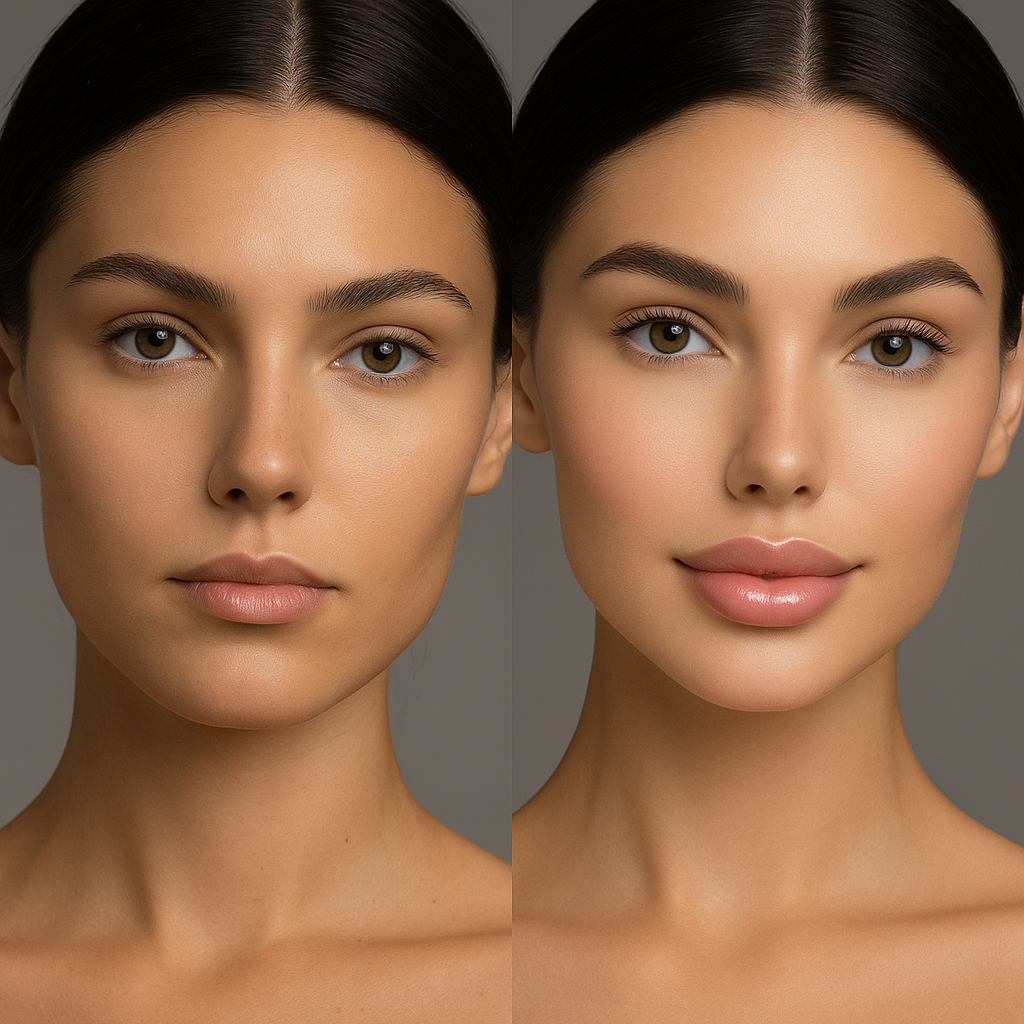
Over-editing and applying filters undermines credibility and ethical standards.
On the other hand, correcting minor distractions such as blemishes improves the image’s the visual appeal. Strive for minimal, natural adjustments that accurately reflect your work.
VIII Distorted Skin Tones
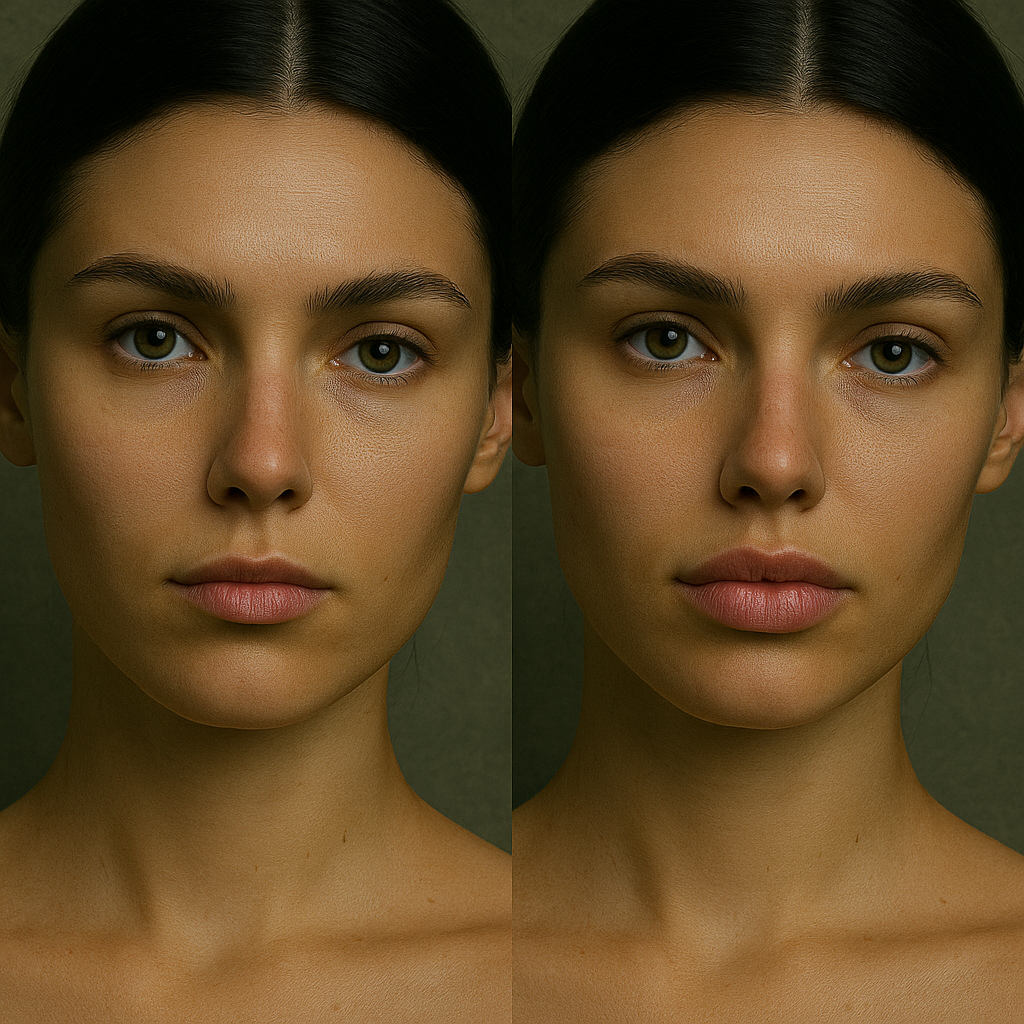
Distorted skin tones are unflattering and likely make results look less appealing. Adjusting the white balance settings on your camera or editing software ensures consistent and accurate colors. Regularly check your calibration tools to maintain high standards.
IX Overlooking Transparency and Patient Privacy
Transparency builds trust, but it must not come at the expense of patient privacy. Obtain proper consent before sharing any images and ensure identifiable features, such as tattoos or unique birthmarks, are blurred or removed when necessary. A clear privacy policy protects both you and your patients.
X Neglecting Patient Demographics and Diversity
Displaying a variety of patient demographics helps more potential patients connect with your practice.
Conclusion
By addressing these common mistakes, you can elevate the quality of your before-and-after photos and ensure they effectively highlight the transformative nature of your work. Consistency, accuracy, and professionalism should guide every aspect of your photographic process.
If you’re looking for expert guidance to further refine your visual branding, contact Vitruviani. Our specialized expertise in marketing for plastic surgeons ensures your practice stands out with clarity and credibility.
Web Design Mistakes that Damage Your Plastic Surgery Practice’s Image
Potential patients form opinions about your expertise, professionalism, and trustworthiness within seconds of landing on your homepage - a poorly designed website can unintentionally undermine your practice’s credibility.
The website of your plastic surgery practice shapes potential patients' first impression of the quality of your work. Certain web design errors can unintentionally signal low quality or outdated technology, significantly influencing patient decisions.
Understanding these mistakes from a psychological perspective helps clarify why addressing them matters deeply for your practice.
I.Poor Mobile Experience
Potential patients form instant judgments about a practice based on ease of website use. A frustrating mobile experience creates subconscious perceptions of inefficiency or neglect. To ensure positive first impressions, make sure your website is fully optimized for mobile, providing a seamless and intuitive browsing experience.
II. Slow Loading Speed
Consumers associate speed with competence. Slow websites trigger impatience and negative judgments about your professionalism. Quick-loading sites, however, boost perceived reliability, enhance patient satisfaction, and encourage visitors to engage further with your content.
III. Low-Quality Photos
In aesthetic medicine, visual quality strongly affects trust and perceived expertise. Poor images subconsciously suggest lower standards or questionable competence. High-quality, professional visuals effectively communicate skill, attention to detail, and high-value service, reassuring patients they're making a confident choice.
IV. Outdated Design
Patients view outdated websites as indicative of outdated practices. An outdated appearance subtly conveys resistance to innovation, causing patients to question your commitment to contemporary techniques and standards. Regularly update your website to reflect modern aesthetics, clearly signaling your dedication to current industry advancements.
V. Inconsistent Branding & Typography
Patients rely on consistent branding to quickly evaluate your practice’s professionalism and reliability. Inconsistent visuals and messaging create confusion, prompting subconscious doubt about your attention to detail and overall quality. Maintaining a cohesive visual identity—clear fonts, harmonious colors, and unified imagery—communicates strength, reliability, and professional excellence, reassuring potential patients they’ve made the right choice.
VI. Poor Navigation
Complex navigation creates mental friction, quickly exhausting visitor patience. Patients want effortless, logical access to key information. Clear, simple navigation ensures visitors remain engaged and reduces decision fatigue, increasing the likelihood they'll schedule a consultation or take the next step.
VII. Too Much Text
Dense blocks of text overwhelm visitors, reducing information retention and interest. Using concise, structured content, with clear headings and bullet points, aligns with natural reading behaviors and keeps patients actively engaged.
VIII. Weak SEO Practices
Weak SEO reduces online visibility, making patients less likely to find and trust your plastic surgery practice. Strategic keyword optimization and clear, consistent content help increase visibility, driving more qualified leads directly to your website.
IX. Lack of Clear Call to Action (CTA)
Potential patients prefer clear guidance. Ambiguous or absent CTAs leave them unsure of their next steps, causing hesitation or inaction. Strong, explicit calls-to-action clarify patient pathways, encourage prompt decisions, and boost conversions by providing clarity and certainty.
Save this guide as a reference when reviewing your website — small improvements can make a lasting impact. If you’d like expert guidance, Vitruviani can help you refine your online presence. Our strategic approach ensures every detail supports patient trust and engagement, positioning your practice as a leader in the industry. Schedule a complimentary consultation with us today.
Book Your Complimentary Strategy Call
Book a 30-minute strategy call to review your clinic’s brand presence and marketing, with direct recommendations to strengthen patient trust and demand.
As part of our launch, the first five clinics receive Founder’s Access; priority scheduling and exclusive early-phase pricing.